Space Coast RE Investor Briefing

Investor Briefing
Space-Driven Real Estate Appreciation on Florida’s Space Coast
Focus Market: Cape Canaveral, FL
Executive Summary
The Space Coast has entered a structurally different real estate cycle driven by permanent aerospace investment, workforce migration, and severe land constraints. Cape Canaveral sits at the center of this shift.
This is not a speculative run-up. It is a repricing of coastal housing as mission-critical infrastructure for the U.S. commercial space economy.
Investment thesis: sustained demand + limited supply = durable upward pricing pressure.
Macro Drivers (Non-Cyclical)
1. Institutional Space Investment
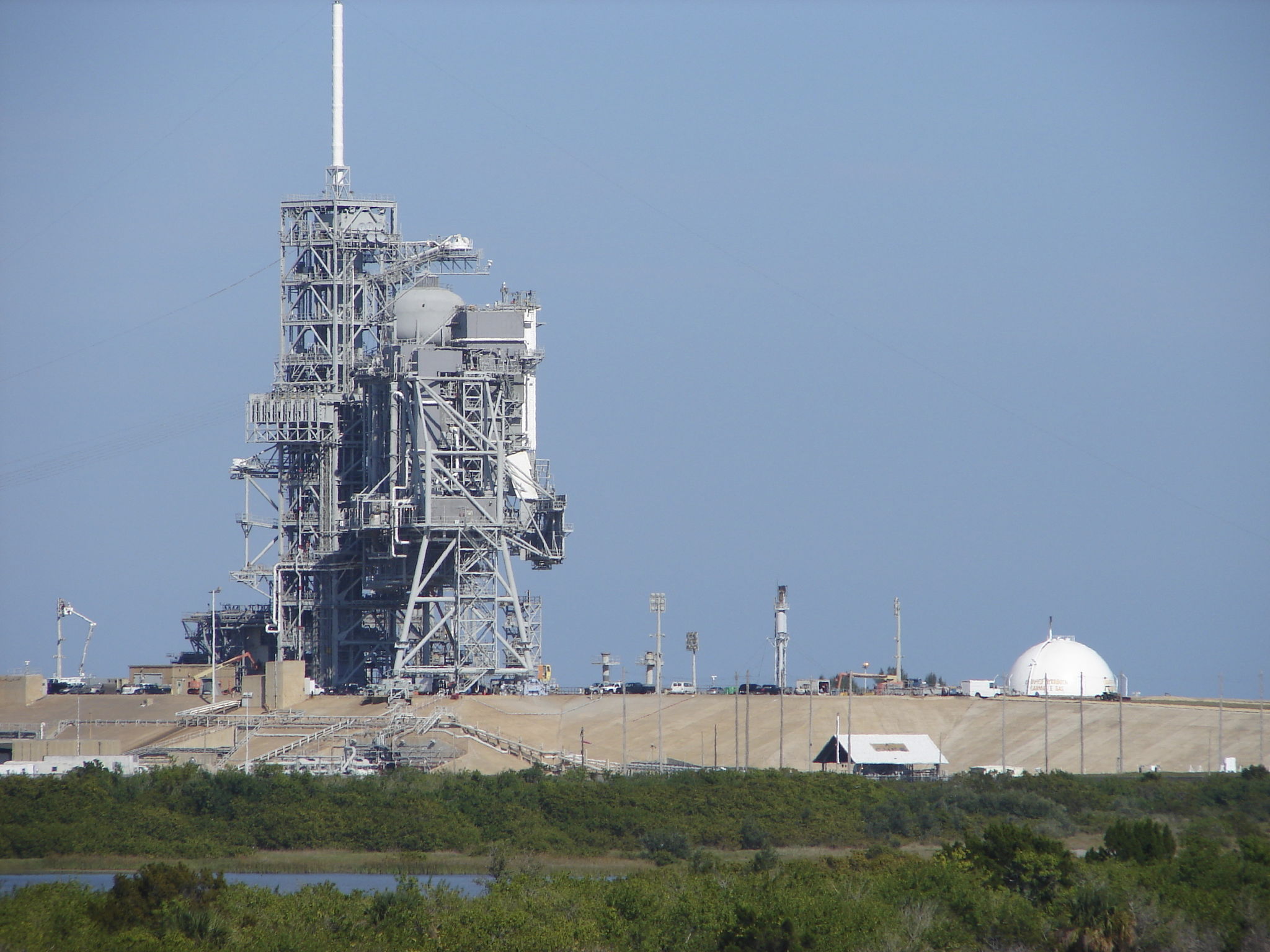
The Space Coast is anchored by Kennedy Space Center, with expanding private-sector operations from SpaceX and Blue Origin.
Key characteristics:
Multi-decade federal and private funding
Increasing launch cadence
High-skill, high-income workforce relocation
This is employment gravity, not tourism volatility.
2. Port & Logistics Expansion
Port Canaveral is one of the fastest-growing cruise and cargo ports in the U.S., driving:
Infrastructure investment
Supporting professional services demand
Short- and long-term housing competition
Market-Specific Analysis: Cape Canaveral
Geographic Constraints
Barrier island
Limited developable land
Restrictive zoning and aging housing stock
Result: supply cannot scale with demand.
Demand Profile Shift
Historic buyers:
Retirees
Seasonal residents
Tourism-linked investors
Current buyers:
Aerospace engineers
Defense contractors
Operations & logistics professionals
Institutional and semi-professional investors
This shift raises the pricing floor.
Replacement Cost Floor
New construction costs (materials, labor, insurance, compliance) now exceed much of the existing inventory’s historical pricing.
Implication: prices do not correct downward easily — rebuilding is more expensive than buying existing stock.
Spillover Markets
As Cape Canaveral inventory tightens, demand pushes into:
Cocoa Beach
Merritt Island
Mainland Brevard County
This creates a corridor-wide revaluation rather than isolated appreciation.
Risk Factors (Underwrite Conservatively)
Insurance cost escalation (coastal exposure)
HOA governance and special assessments
Short-term rental regulation risk
Interest rate sensitivity for leveraged buyers
Mitigation: focus on asset quality, reserves, and long-term hold assumptions.
Investment Implications
Attractive Profiles
Well-maintained condos with rational HOAs
Small multifamily with durable construction
Properties suited for medium- to long-term tenancy
Assets within short commute radius to launch and port facilities
Less Attractive Profiles
Over-leveraged STR-only deals
Poorly capitalized HOAs
Deferred-maintenance coastal stock without reserves
Bubble vs Structural Reset
This is not a bubble.
Indicators typically associated with speculative risk are absent:
No overbuilding
No excess inventory
No demand driven by cheap credit alone
Instead, Cape Canaveral is repricing as a strategic employment housing market, not a vacation afterthought.
Bottom Line
Cape Canaveral real estate is being permanently revalued by proximity to space, port, and federal infrastructure. Entry-level coastal housing is disappearing, not cycling.
For investors, the opportunity is not timing a pullback — it is selecting resilient assets that benefit from long-term space economy gravity.

