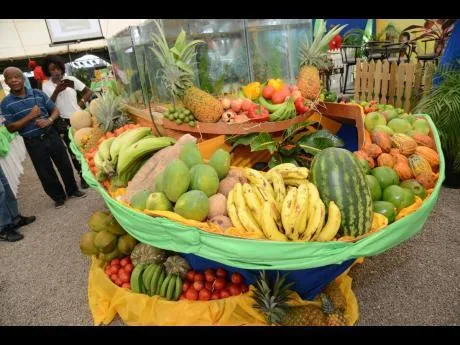
Caribbean Food Insecurity
How Global Politics Are Reshaping Food Prices in the Caribbean
Rising food costs across the Caribbean aren’t random. They’re the result of how tightly the region’s grocery shelves are tied to global politics—from war and sanctions to tariffs, shipping routes, and fuel decisions.
The Caribbean imports most of what it eats. That dependence makes it especially sensitive to the political crosswinds steering global supply chains.
1. The Big Picture: Why the Region Feels It First
Caribbean nations import between 60% and 80% of their food. Domestic farming is often small-scale, fragmented, and vulnerable to weather. So when conflict, export bans, or trade shifts hit global grain and oil markets, the region feels it almost immediately.
Fuel and freight drive food prices as much as crops do.
Stronger U.S. dollar = higher import bills.
Shipping disruptions or export bans quickly translate to higher supermarket costs.
2. Global Political Forces Behind the Increases
A. Conflict and Disruption
Russia’s invasion of Ukraine reshaped global grain and fertilizer flows. Even though few Caribbean countries buy directly from the region, higher global benchmarks for wheat, corn, and vegetable oil raised costs everywhere.
B. Trade Policy and Tariffs
Export restrictions—like India’s temporary rice ban or grain limits in Eastern Europe—reduced available supply. At the same time, shifting tariffs and subsidies in large economies altered prices for basic staples and animal feed.
C. Energy Politics
OPEC+ production decisions, U.S. sanctions, and broader fuel volatility pushed shipping and logistics costs higher. For island economies, where nearly every product moves by ship, that’s a direct inflation trigger.
D. Global Supply Chain Realignment
Tensions in the South China Sea, sanctions regimes, and climate events have forced shipping to take longer routes. Those added costs land on Caribbean importers—and ultimately on consumers.
3. Country Snapshots
Jamaica
Food inflation remains one of the country’s most visible cost pressures. Though headline inflation stayed near 3–4% in mid-2025, spikes in imported wheat, rice, and vegetable oils keep grocery prices unstable.
When global grain markets tighten—such as during the Black Sea shipping stand-offs—Jamaica’s bakeries and poultry producers pay more almost instantly. Storms like Beryl also worsen short-term shortages, driving local prices higher.
Barbados
With little domestic agriculture, Barbados is among the most import-dependent. The Central Bank estimates 2025 inflation at roughly 2–3%, but imported fuel and food remain unpredictable.
Trade measures abroad, such as U.S. or EU tariffs, pass through to the island quickly. Rice and flour prices swing with Asian and Latin American export policies. For households, the result is steady upward pressure on staples like bread, cooking oil, and packaged goods.
Trinidad & Tobago
Energy wealth gives Trinidad some fiscal cushion, but its food system depends on imported grains and fertilizers. The 2025–26 national budget earmarked new funds for agricultural revival, yet production lags demand.
When geopolitical crises raise global feed and fertilizer prices, poultry and meat processors in T&T face immediate cost hikes. Relief tends to lag behind any global price drops.
Dominican Republic
A manufacturing and tourism hub, the DR consumes large volumes of wheat and cooking oil. It sources grain mainly from the U.S. and Canada, with prices tied to world benchmarks.
Global tensions—Ukraine war spillovers, EU-Ukraine trade disputes, and energy costs—dictate milling prices and, by extension, bread and pasta costs. When international harvests improve, prices ease; when supply routes tighten, shelves feel it fast.
Haiti
Haiti’s situation is more severe. Political instability and violence disrupt ports and fuel deliveries, compounding global cost pressures. As of late 2025, over 5 million people face food insecurity.
Even when world grain prices fall, insecurity and logistics bottlenecks keep domestic food prices high. International aid and donor flows—both deeply political—determine how much relief actually reaches consumers.
4. Common Threads Across the Region
Rice and Wheat Politics: India’s rice export restrictions and later reversals still ripple through Caribbean import chains.
Fuel and Freight: Every OPEC meeting and shipping-route reroute changes the math for regional grocers.
Climate Meets Politics: Hurricanes, droughts, and crop disease layer on top of already-politicized supply systems, turning short-term shocks into sustained inflation.
Currency Exposure: Pegs and linkages to the U.S. dollar mean that when the dollar strengthens, food prices jump locally.
5. What to Watch
Issue Why It Matters Tariff changes and export bans Asia and Europe remain top suppliers; a single policy shift there can reset Caribbean prices overnight. Freight and fuel volatility Shipping and energy remain the largest cost multipliers for small islands. Investment in local production Expanding regional farming or processing capacity could soften import shocks—but only over time. Currency movements Dollar strength determines how deep global inflation cuts into local purchasing power. Hurricane seasons Each major storm strains supply, transport, and insurance costs across the chain.
6. The Takeaway
Global politics have always shaped Caribbean economies, but food prices reveal the connection most clearly. Every war, tariff, and export ban somewhere else shows up in someone’s grocery cart here.
The path forward likely isn’t isolation—it’s diversification: of suppliers, crops, and trade partners. And while no island can fully insulate itself from geopolitics, regional cooperation on logistics, food storage, and data can help turn global turbulence into something more manageable.

