The Follow-Up Problem
Most Businesses Don’t Have a Marketing Problem — They Have a Follow-Up Problem
When business owners talk about growth, the conversation usually turns to marketing.
More ads.
More social media.
More leads.
But in many businesses, the real issue isn’t generating interest.
It’s what happens after someone reaches out.
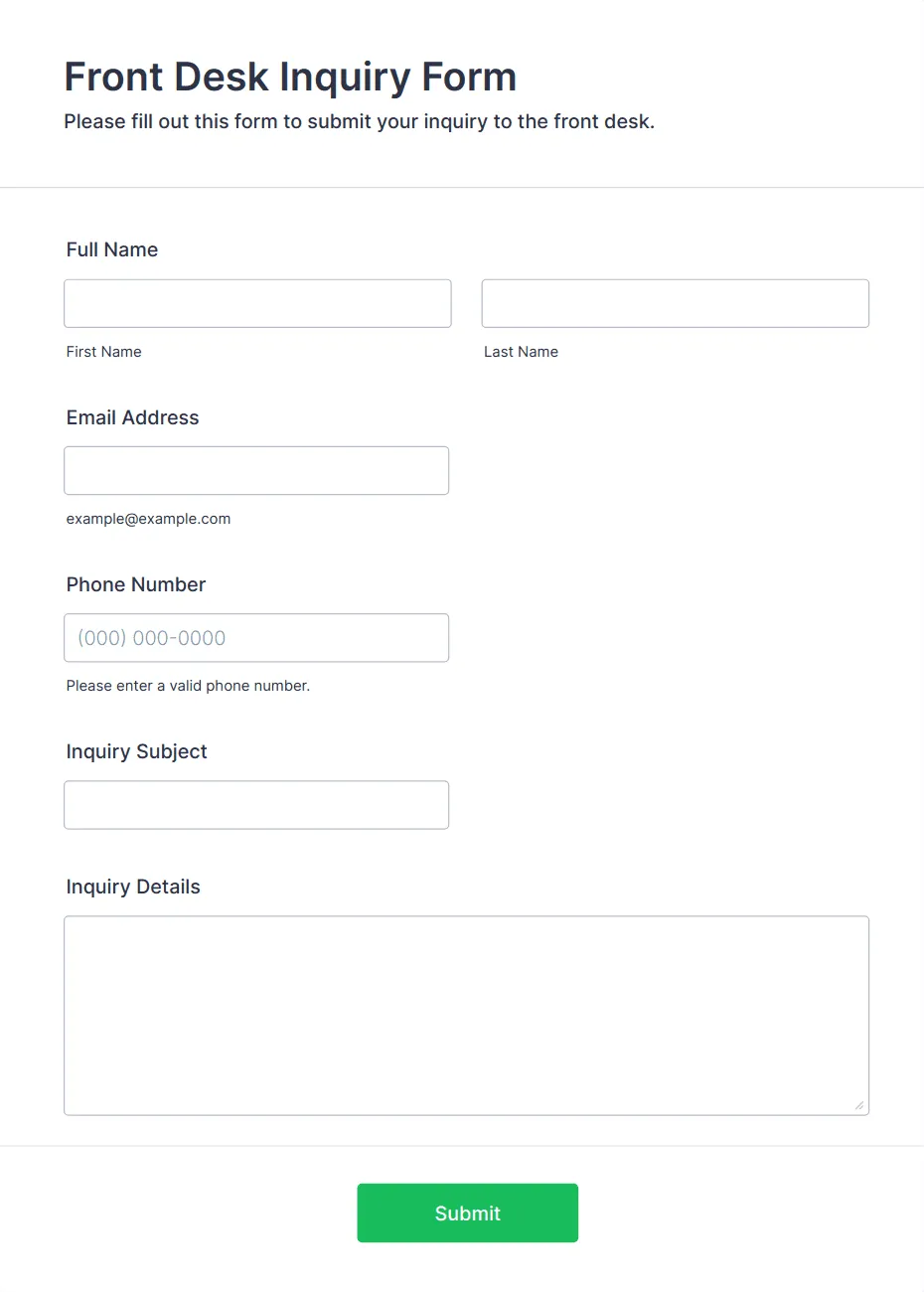
A form gets filled out.
A voicemail gets left.
A quote gets requested.
And then… nothing happens.
Or the response takes two days.
Or the follow-up never happens at all.
By that point, the customer has already hired someone else.
Leads Are Only Valuable If You Respond
Many small businesses focus heavily on generating leads but have no structured way to handle them once they arrive.
A typical scenario looks like this:
A potential customer submits an inquiry online.
The notification goes to an email inbox.
Someone sees it later in the day.
They plan to call back tomorrow.
Meanwhile, the customer has contacted three other companies.
One of them responded within minutes.
Guess who gets the job?
Speed matters. Not because customers are impatient — but because they are trying to solve a problem.
The business that responds first often wins.
The Real Revenue Leak
In many service companies, the problem isn’t demand.
It’s follow-through.
Quotes go out and are never followed up on.
Past customers are never contacted again.
New inquiries sit unanswered.
Over time, these small misses add up.
Businesses spend money to generate leads while losing opportunities that already came through the door.
Follow-Up Should Be a System
Growing businesses treat follow-up as an operational process, not a memory exercise.
A simple structure usually includes:
Immediate acknowledgment
Customers receive confirmation their request was received.
Fast response
Someone contacts the lead quickly while the inquiry is still fresh.
Structured reminders
Quotes and inquiries are followed up automatically.
Customer reactivation
Past customers are periodically contacted with reminders or offers.
None of this requires a large team. It requires a system.
Demand Is Already There
Before increasing marketing budgets, many businesses should take a closer look at their follow-up process.
If inquiries are not handled consistently, more advertising won’t fix the problem.
It simply increases the number of missed opportunities.
The businesses that grow reliably are often the ones that do one thing very well:
They respond.
And they follow up until the customer either buys — or clearly declines.

