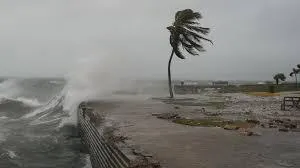
Hurricane Melissa Economic Impact
Hurricane Melissa


1. What we know so far
The storm made landfall in Jamaica as a Category 5 hurricane on October 28, 2025, with sustained winds around 185 mph. (AP News)
Forecasts warn of extreme rainfall (15–40 inches in places), storm surges of 9–13 feet along southern Jamaica, and major flooding & landslides. (The Equation)
The economic models estimate insured losses in the Caribbean in the range of US$5–10 billion (wind, storm surge, property damage) though full total economic losses are still unknown. (Captives Insure)
2. Why the economic impact matters (and why it will be large)
Jamaica’s GDP is roughly US$20 billion; losses in the billions therefore represent a large share of national economic output. (Captives Insure)
Key sectors at risk:
Agriculture: Crops will be heavily damaged or destroyed. (Miami Herald)
Infrastructure: Power, water, roads, hospitals already suffering damage and likely long downtime. (The Washington Post)
Tourism & services: Caribbean economies are heavily service- and tourism-oriented; disruption in travel, lodging, retail will ripple through.
Secondary/tertiary impacts: supply-chain disruption, business interruption, loss of investor confidence, insurance/reinsurance market stress. (Captives Insure)
3. Projected economic impacts in categories
Here are some plausible breakdowns of how the damage could manifest:
Category Possible Impact Notes Property & infrastructure US$3–7 billion+ Wind/roof damage, structural collapse, utilities down. Agriculture & fisheries Possibly several hundred million USD Crop loss, livestock, damage to fishery equipment. Business interruption Hundreds of millions Retail, tourism, shipping/ports, export sectors. Public finance & debt Higher borrowing, reduced tax base Government-resources diverted to recovery. Insurance/reinsurance Losses US$5–10 billion (insured) Market hardening, premium rises globally. (Captives Insure)
4. Regional & global knock-on effects
The insurance and reinsurance markets will feel this: significant events like this cause rate increases, capacity constraints, and higher premiums—even for businesses not directly hit. (Captives Insure)
Supply chains: Parts, materials, shipping lanes may be disrupted, affecting manufacturing or retail elsewhere.
Tourism: If Jamaica (and other impacted islands) are unable to host visitors for months, economies that lean heavily on tourism will see major revenue losses.
Long-term growth: High-cost recovery can divert funds from education, health, infrastructure upgrades, slowing growth for years.
5. What to watch in recovery / what affects how bad the impact gets
Speed of restoration of power, water, communications determines how quickly business picks up.
Extent of damage: If whole communities are destroyed rather than just roof damage, recovery costs multiply.
Insurance penetration: If many losses are uninsured, the burden falls on homeowners, businesses and governments.
External aid and financing: Whether international aid, private investment, or catastrophe bonds (there’s already talk about a US$150 m bond triggered for Jamaica). (Financial Times)
Climate links: Warmer oceans, slower storms increase risk of “loss creep” and higher-than-expected damage. (The Equation)
6. Bottom line
This is likely to be one of the worst economic shocks for Jamaica and the neighbouring Caribbean islands in recent memory. While it’s too early to state a final damage number, the insured loss estimate of US$5–10 billion cues a much larger total economic hit when we include uninsured assets, lost business, and longer-term growth drag.
It also serves as a reminder: for small-island economies with high exposure and limited buffers, a single storm can have multi-year consequences.

